The 2027 GRAMMY nominations were announced on November 16, 2026, and songs published by BeatStars Publishing are on three nominated albums. Five BeatStars Publishing producers worked on two albums up for genre awards: Chris Brown's BROWN (The Chocolate Edition), nominated for Best R&B Album, and Wale's everything is a lot., nominated for Best Rap Album. Two more, ChildBoy and Serra, produced songs on 21 Savage's WHAT HAPPENED TO THE STREETS?, which is nominated for Best Album Cover.
The 69th GRAMMY Awards take place Sunday, February 7, 2027, at Crypto.com Arena in Los Angeles. Before the envelopes open, here's who made the records.
Chris Brown's BROWN (The Chocolate Edition) is one of five albums nominated for Best R&B Album at the 2027 GRAMMYs, alongside Alex Isley's When The City Sleeps, Kehlani's Kehlani, PJ Morton's Saturday Night and Jill Scott's To Whom This May Concern.
Four BeatStars Publishing producers have credits on three of its songs:
That's four producers from one publishing roster on a single nominated album.
Wale's everything is a lot. is nominated for Best Rap Album in a field that includes Busta Rhymes' DILLAGENCE II, Cardi B's AM I THE DRAMA?, Rapsody's God Gotta Afro & Gold Hoops, Don Toliver's OCTANE and Kanye West's BULLY - DELUXE.
KDaGreat co-produced "Tomorrow Today (with Kel-P)" with Kel-P, and the song is published through BeatStars Publishing.
Best Album Cover recognizes the artwork, and the cover of 21 Savage's WHAT HAPPENED TO THE STREETS? was designed by Slawn, the British-Nigerian artist whose work for the album was also exhibited at Atlanta's High Museum of Art. The cover is inspired by Kerry James Marshall's 1980 painting A Portrait of the Artist as a Shadow of His Former Self.
The music inside has BeatStars Publishing credits too. ChildBoy produced "Atlanta Tears" featuring Lil Baby, and Serra produced "Cup Full." We want to shout out both of them for being part of a project the Recording Academy recognized this year.
The Recording Academy announced the nominations for the 69th GRAMMY Awards on November 16, 2026. The eligibility period ran from August 31, 2025 through August 28, 2026.
The 69th GRAMMY Awards are on Sunday, February 7, 2027, at Crypto.com Arena in Los Angeles. The show airs live on ABC, Disney+ and Hulu.
8een, Kabeh, Ayoley and Kyduh produced songs on Chris Brown's BROWN (The Chocolate Edition), nominated for Best R&B Album. KDaGreat co-produced a song on Wale's everything is a lot., nominated for Best Rap Album. ChildBoy and Serra produced songs on 21 Savage's WHAT HAPPENED TO THE STREETS?, nominated for Best Album Cover. All of these songs are published through BeatStars Publishing.
The nominees are BROWN (The Chocolate Edition) by Chris Brown, When The City Sleeps by Alex Isley, Kehlani by Kehlani, Saturday Night by PJ Morton and To Whom This May Concern by Jill Scott.
The nominees are DILLAGENCE II by Busta Rhymes, AM I THE DRAMA? by Cardi B, God Gotta Afro & Gold Hoops by Rapsody, OCTANE by Don Toliver, everything is a lot. by Wale and BULLY - DELUXE by Kanye West.
The cover was designed by Slawn (Olaolu Slawn), a British-Nigerian artist. It's inspired by Kerry James Marshall's 1980 painting A Portrait of the Artist as a Shadow of His Former Self.
Want your name in the credits next? Join BeatStars Publishing so your songs are registered and your royalties are collected before your next placement lands.
Grand Theft Auto VI is out 13 years after GTA V. The soundtrack is one of the biggest music placements of the decade, and three songs on it were produced by BeatStars producers: "Rock N Roll" by Central Cee, produced by Chris Rich, "Left Wrist" by BossMan Dlow, produced by Ellis Lost, and "Soak City (Do It)" by 310babii, produced by Donez. "Rock N Roll" and "Left Wrist" were unreleased and debuted in the game.
Here's who made them, how the beats got there, and what it means for every producer sending out loops right now.
Central Cee is one of the biggest names in UK rap, and "Rock N Roll" brings him to the game's hip-hop lineup. Chris Rich produced the beat. The song hadn't been released before and debuted in GTA 6.
BossMan Dlow is from Florida, and GTA 6 is set in Leonida, the game's version of Florida, so the fit is natural. The beat behind "Left Wrist" started years before anyone knew it would end up here, and the song stayed unreleased until it debuted in GTA 6.
"Soak City (Do It)" first came out in June 2023 and became 310babii's breakout single. Three years later it's on the biggest game launch of the decade. A song doesn't stop earning when the release cycle ends, and catalog records keep finding new homes.
Ellis Lost made his part of the "Left Wrist" beat in 2022, while he was still in college. He'd make beats in class and send melodies to producers he looked up to. DamnE was one of them. Early this year, Ellis found out BossMan Dlow had recorded on one of their beats and that the song was going into GTA 6.
"Working on GTA 6 was very unexpected. I made my part of the beat way back in 2022 while I was in college. I would make beats during class and send out melodies to my favorite producers... Sometimes you've just got to send stuff out and not think about it anymore. I've had several placements drop years after sending out my loops." - Ellis Lost, producer of "Left Wrist"
That's about four years from a melody made in a classroom to a song in a game millions of people will play. It's normal for placements to take that long. Loops travel from producer to producer, sit in folders, and get pulled out when the right artist is in the room.
Games use music through sync licensing. To put a song in a game, the game's music team has to license two separate rights: the master recording, usually owned by the artist or their label, and the composition, owned by the songwriters and producers who wrote it and their publishers. Both have to be cleared before a song can be used.
A game can license a song that's already out, like "Soak City (Do It)," or debut one that hasn't been released yet, like "Rock N Roll" and "Left Wrist." Either way, the people licensing the music need to know who owns the song and who to pay, which is why registering your publishing matters.
Placements start with beats artists can find. Sell your beats on BeatStars so the next artist looking for a sound finds yours.
Three songs on the GTA 6 soundtrack were made by BeatStars producers: Chris Rich produced "Rock N Roll" by Central Cee, Ellis Lost produced "Left Wrist" by BossMan Dlow, and Donez produced "Soak City (Do It)" by 310babii.
Grand Theft Auto VI came out on November 19, 2026, 13 years after GTA V. Rockstar released the official soundtrack album, GTA 6: The Album, with 34 original tracks the same day.
No. 310babii released "Soak City (Do It)" in June 2023, and it was licensed for GTA 6 three years later. Games often license songs that are already out.
A video game usually pays a one-time sync fee to license the song, split between the master owner and the songwriters and publishers. If the placement brings new streams to the song, those streams also earn master royalties and publishing royalties, and the publishing side is only collected if the song is registered.
Yes. Ellis Lost made his part of the "Left Wrist" beat in 2022 and it landed in GTA 6 in 2026. He's had several placements drop years after he sent out the loops.
Ready to collect what you're owed? Join BeatStars Publishing and get your catalog registered today.
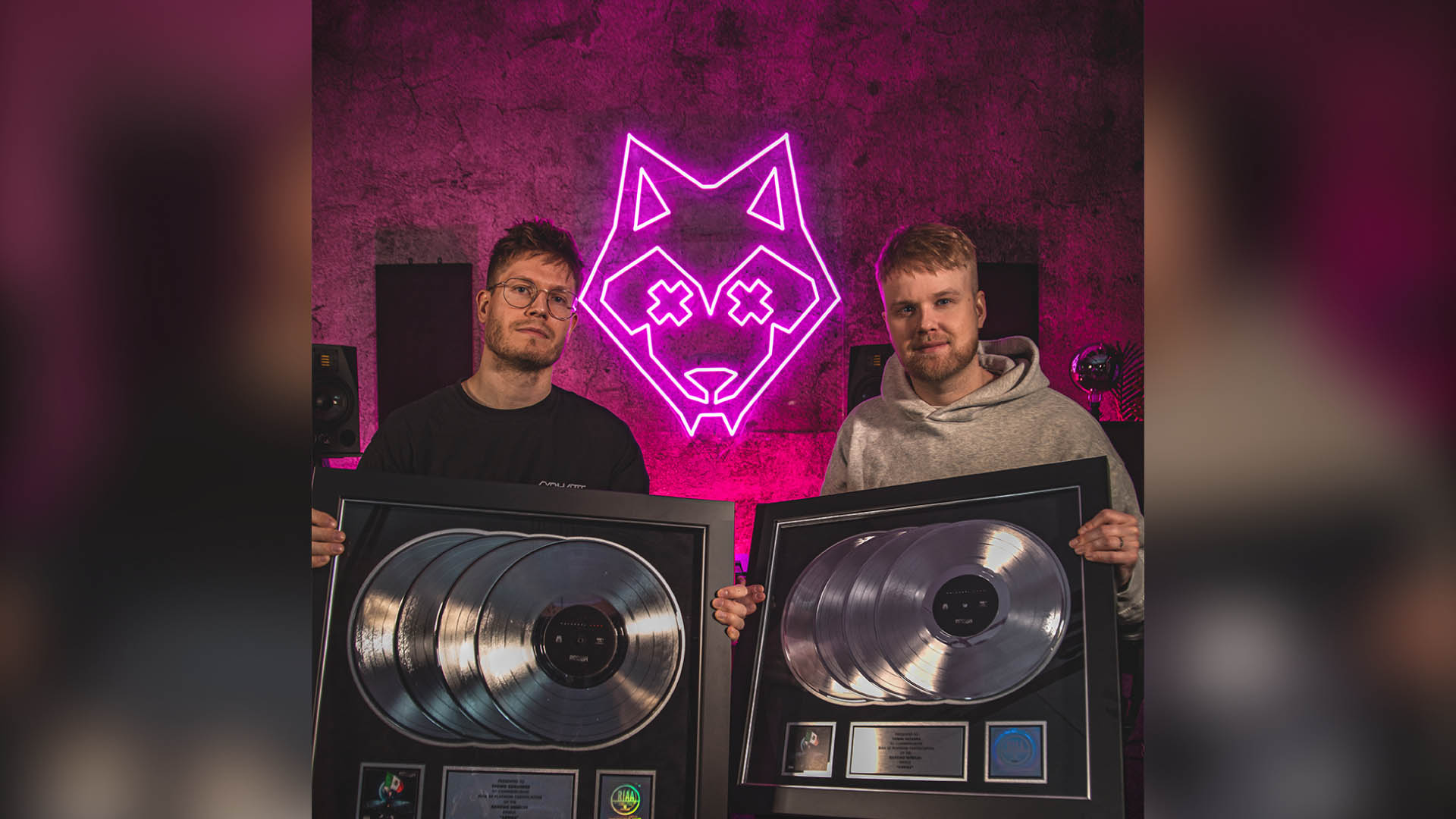
Ever wonder how a beat crafted in a small town in eastern Finland ends up topping charts in India? It’s a journey filled with creative sparks, unexpected twists, and, for many independent artists, crucial partnerships with platforms like BeatStars.
Tuomo and Tommi of BigBadBeats recently shared their creative process in a special Inside Track breakdown. Forget sprawling, expensive studios. “Tauba Tauba” was born from hands-on experimentation with Latin-inspired chords and a playful funk-pop rhythm.
They emphasized that technical perfection often takes a backseat to raw emotion and a great feeling. It’s a reminder that the magic often lies in the human element, not just the gear.
Their journey also highlights the power of unexpected influences. Who would have guessed a Finnish duo would find their groove in a sound that would captivate an Indian audience? It speaks volumes about the interconnectedness of today’s music world, where a great beat can transcend borders overnight.
While the creative process is exhilarating, the business side of music can be daunting. As featured in a Pay the Creators episode, BigBadBeats’ story also underscores the importance of creator rights and collecting the royalties you’ve earned.
That’s where the BeatStars Creator Rights Agency (CRA) becomes invaluable. The CRA stepped in to help BigBadBeats navigate a complex legal challenge, ultimately securing nearly $500,000 in missing royalties for “Tauba Tauba.”
This isn’t just a success story. It’s proof that protecting your intellectual property and understanding your rights is non-negotiable in today’s music industry.
One of the biggest takeaways from BigBadBeats’ journey is the power of keeping things simple. In a world obsessed with complexity, their approach is a reminder that some of the most impactful creations come from straightforward ideas executed with passion.
They’ve also successfully turned their music into a profession, using BeatStars not only for distribution, but for broader support in publishing and rights management.
Whether you’re just starting out or looking to scale your music career, the BigBadBeats story offers valuable lessons:
The journey of “Tauba Tauba” is more than just a song. It’s an inspiring example of independent creators finding their voice, reaching a global audience, and navigating the music business with the right partners behind them.
FOLLOW BIGBADBEATS:
BigBadBeats Instagram: https://www.instagram.com/bigbadbeats/
BigBadBeats's BeatStars Page: https://www.beatstars.com/bigbadbeats
FOLLOW BEATSTARS:
https://www.instagram.com/beatstars/
https://www.instagram.com/beatstarspublishing/
https://www.instagram.com/paythecreators/

The blueprint for a GRAMMY-winning record has fundamentally changed. Gone are the days when the industry's highest honors were reserved exclusively for those with major label backing or access to legacy studios.
Last night at the 68th Annual GRAMMY Awards, the world witnessed a new reality: the most prestigious stages in music are being claimed by creators who rely on the BeatStars ecosystem as both their starting point and their long-term engine for global success.
We are incredibly proud to celebrate our community members who didn’t just participate in music’s biggest night, they defined it. These creators are proof that when you combine raw talent with the right tools, there are no longer any gatekeepers to greatness.
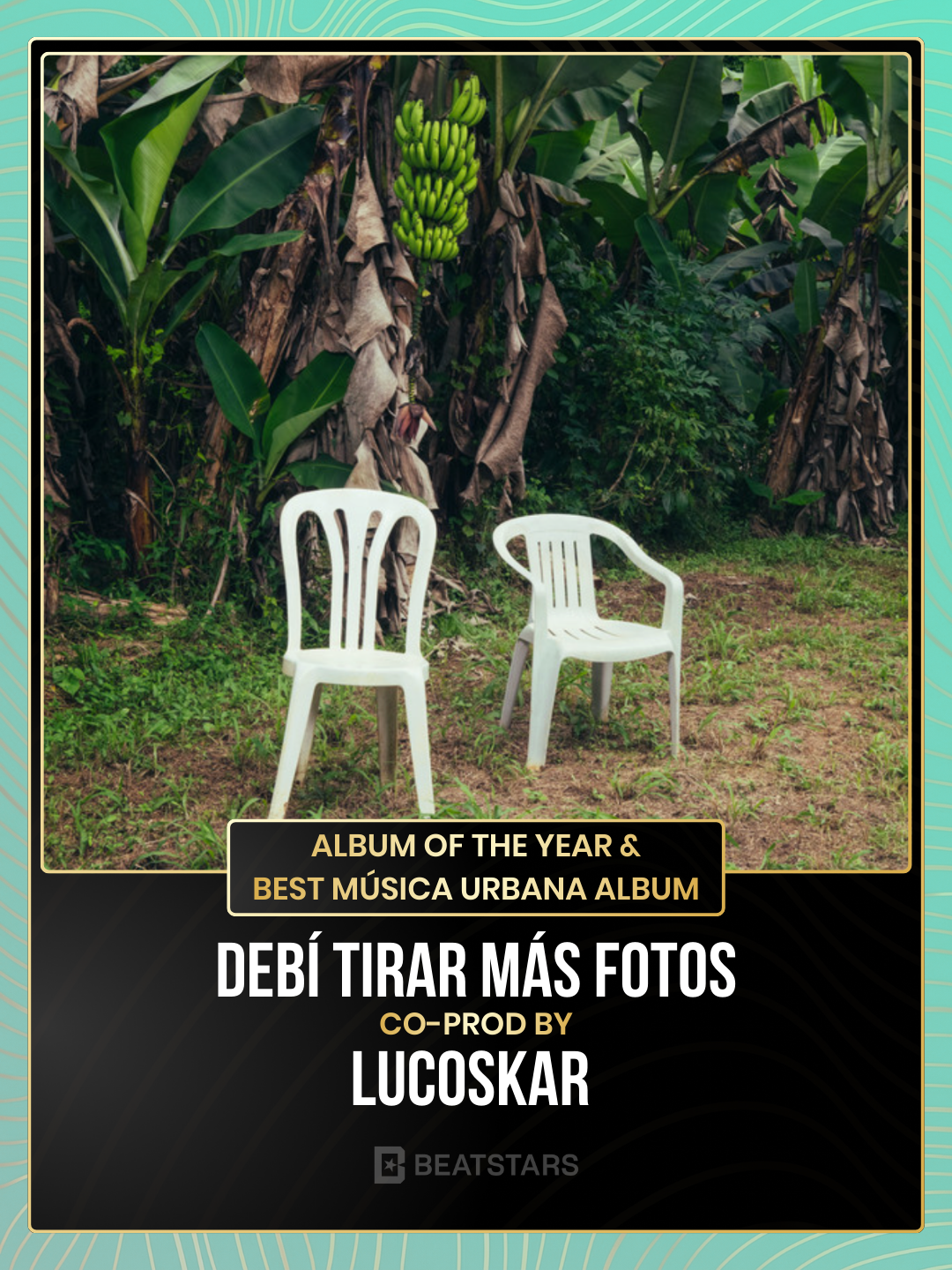
Album of the Year (DEBÍ TIRAR MÁS FOTOS — Bad Bunny) & Best Música Urbana Album (DEBÍ TIRAR MÁS FOTOS — Bad Bunny)
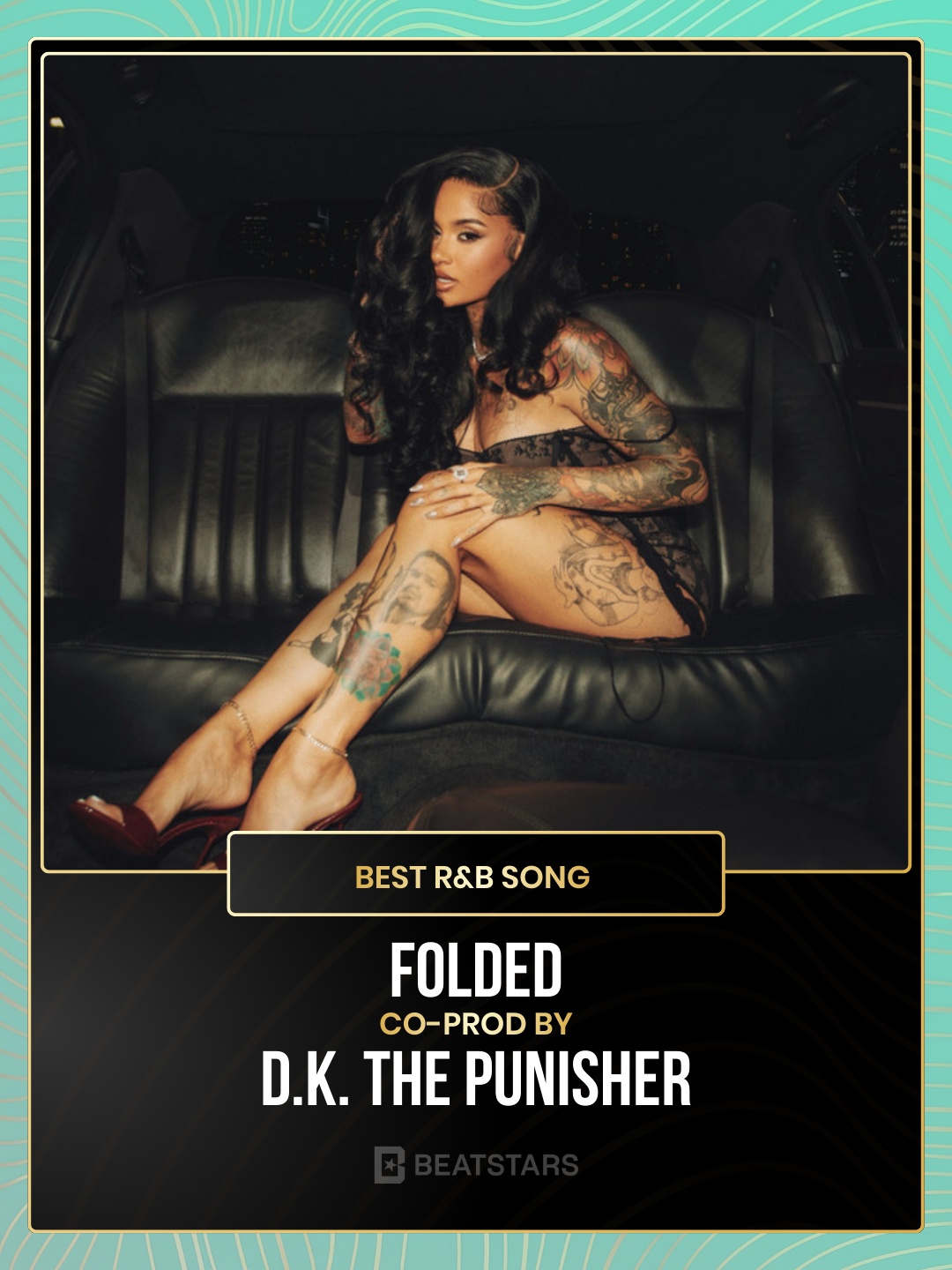
Best R&B Song (FOLDED — Kehlani)
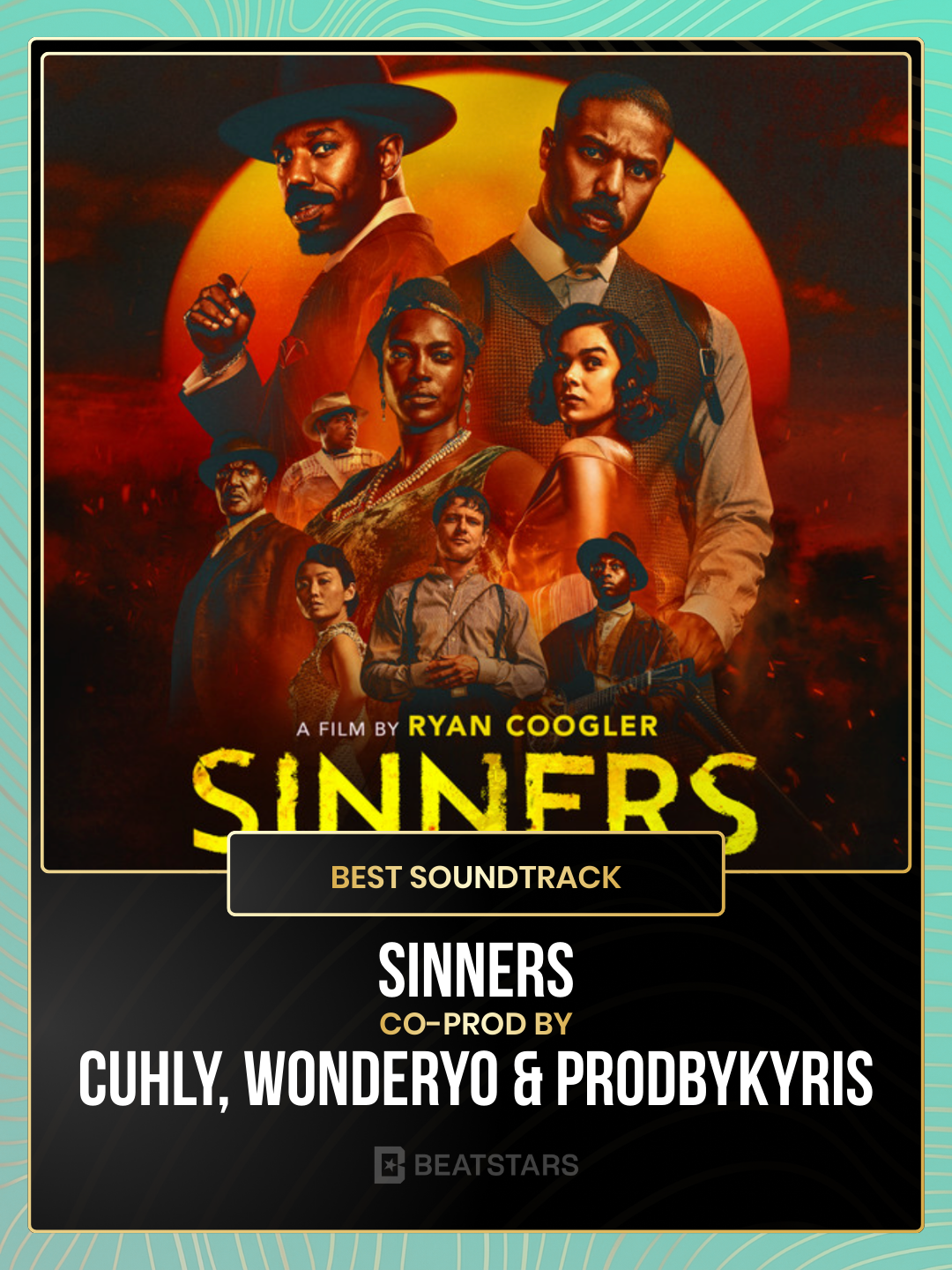
Best Score Soundtrack for Visual Media (SINNERS — Directed by Ryan Coogler)
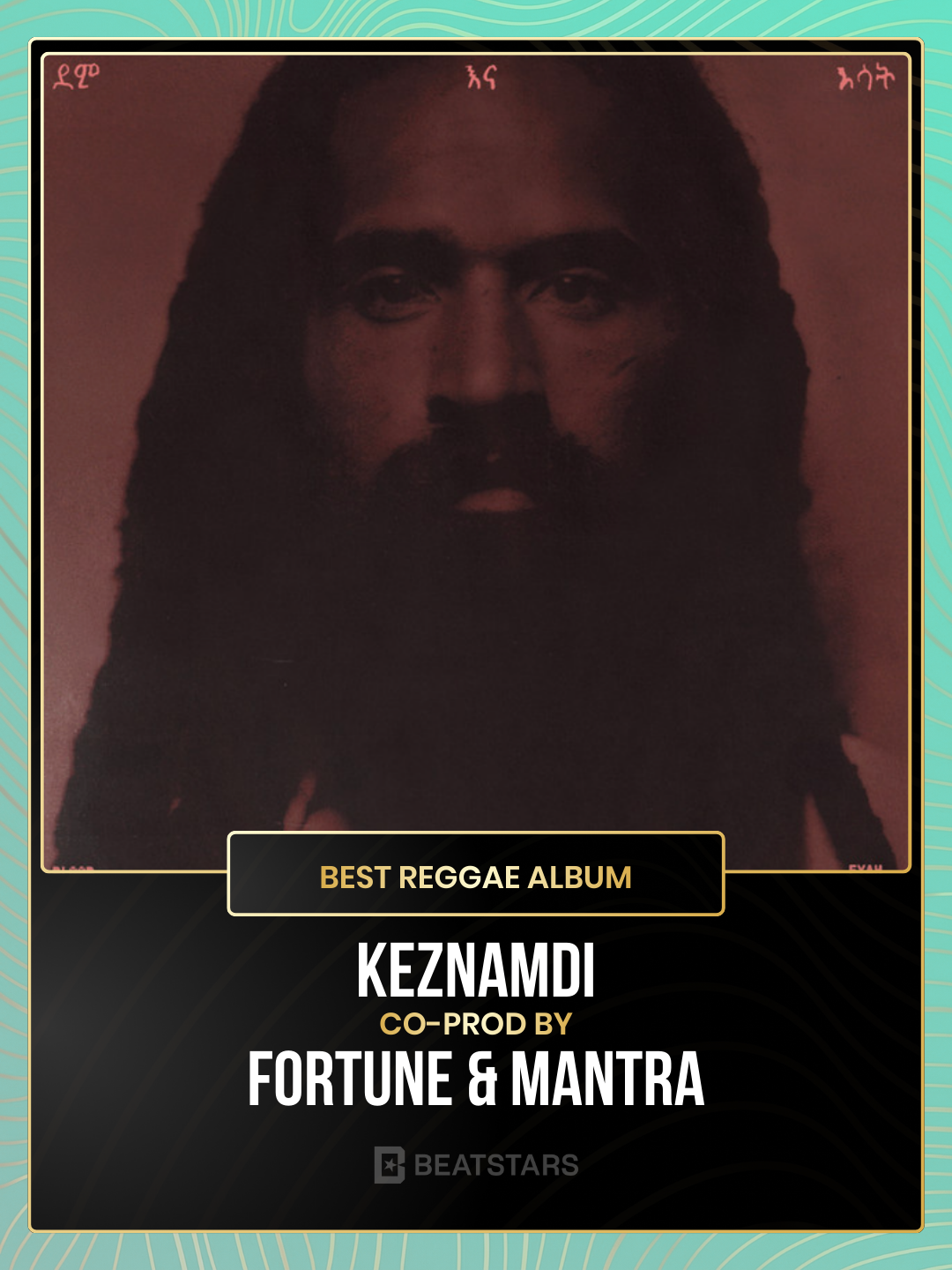
Best Reggae Album (BLXXD & FYAH — Keznamdi)
At BeatStars, our mission has always been to provide the tools, the ecosystem, and the opportunities for creators to build sustainable, world-class careers. Seeing these names etched into music history is a testament to the power of the independent creator.
These wins represent more than just trophies; they represent a shift in the global soundscape. From high-energy Latin trap to soulful R&B and cinematic scores, the diversity of these wins proves that the BeatStars community is at the heart of every major genre.
To every producer currently staying up late, refining your sound, and uploading your next track: Let this be your sign to keep pushing. Your "overnight success" is being built right now in those quiet, late-night sessions. The names you see on the GRAMMY stage today started exactly where you are. They chose to build their legacies on a platform that prioritizes their rights, their music, and their growth.
The next generation of music history isn't just coming, it’s already here. And it’s being made on BeatStars.
Imagine a music contest that feels less like a competition and more like a global scouting mission. That's the BeatStars Draft Class, a premier talent opportunity created by BeatStars, Boom.Records, and Voloco.
With over 4,000 submissions in Season One, and Grammy nominated producer Kato On The Track leading the A&R process, the pressure was real. But from that massive pool of talent, Akalibe, an artist based in France was discovered. Her debut single, "My Turn," is out now!
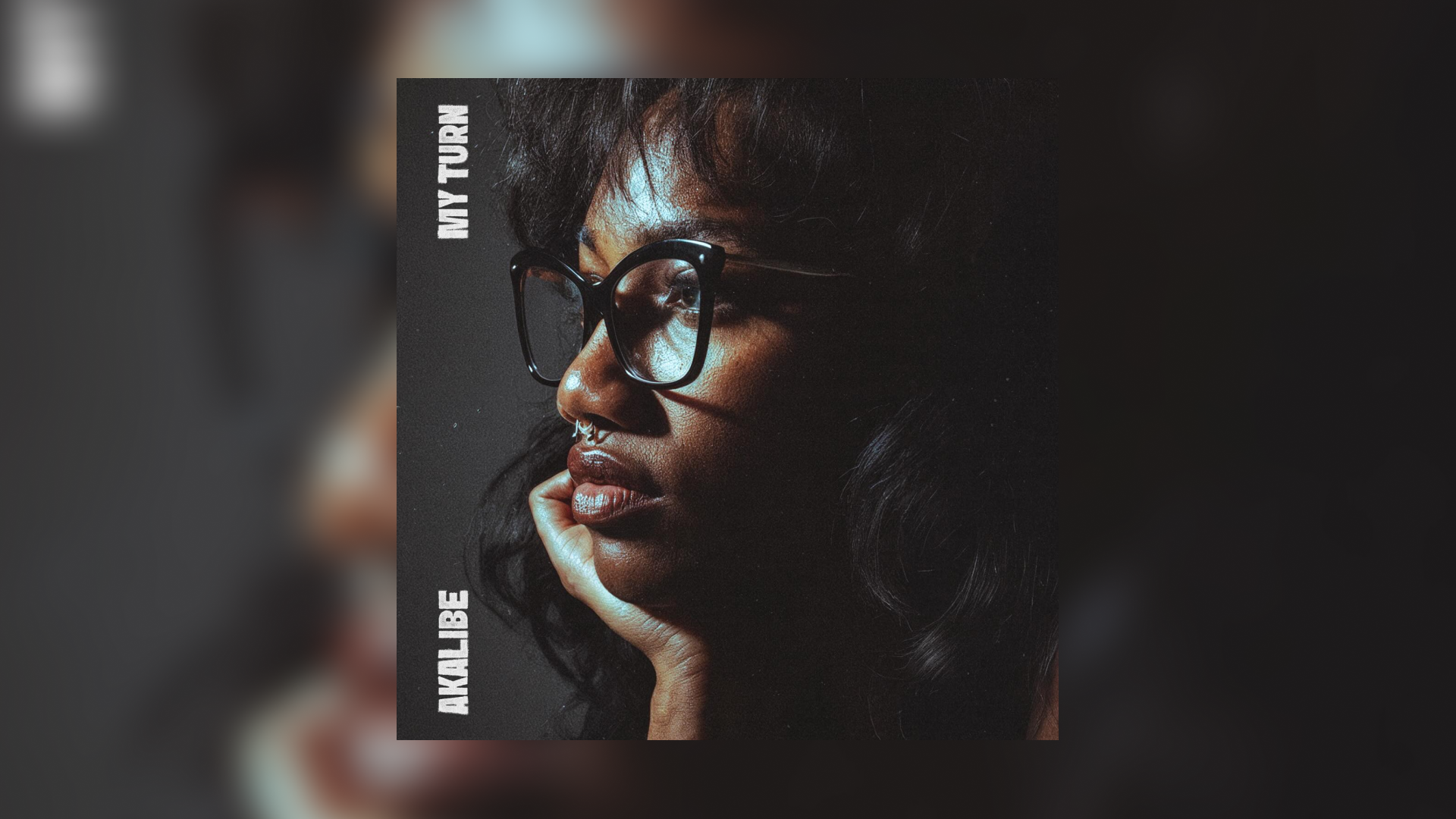
Akalibe's success started, quite simply, on the BeatStars marketplace. She found the perfect instrumental from VOV Productions.
"I was very, very inspired by the sound, the way it flows," she said, adding that when music speaks to you, "you know what to do with it".
The lyrics and vocals came during a period where Akalibe felt vulnerable. She was grappling with being "overlooked," "losing hope," and feeling like a "second choice". This emotional honesty is what anchors "My Turn," transforming personal doubt into an anthem for taking control.
If your playlists feature artists like Olivia Dean, Clairo, Girl in Red, Wallows, and Songbird, Akalibe's indie pop sound will resonate deeply.
Her journey is just getting started. Akalibe is already planning to work on more music and visuals, promising to capture "all the moods that we live in on a daily basis".
You can check out “My Turn” on all platforms now: https://stem.ffm.to/myturn
Keep up with Akalibe: https://www.instagram.com/akalibe_official/

Here’s an in-depth Q&A with the Australian-born, Persian producer about his beginnings, successes, and future plans.
Describe the moment you decided to pursue making music full-time.
The various challenges and triumphs I've encountered throughout life have definitely influenced my decision to pursue the path I’m currently on. In short, I’ve always known from a young age that I had a bigger purpose and I never wanted to live ordinarily. I could never see myself working for anyone else or living the 9-5 life. I’ve always been passionate about music and business so it just made sense for me to do my own thing. Dealing with some trials and tribulations in my life at the time also really lit a fire in me to take the leap.
I recall three years ago working and studying full-time while posting beats online. I remember selling my first beat to an artist for $500 USD, which at the time was a lot of money for me. I called my brother straight after and told him that I’m going to quit everything and go full-time with music. In hindsight, I guess I was a little bit crazy, but dropping everything and putting myself in that danger zone where I couldn’t rely on a backup was the best thing that I ever did. It pushed me to work everyday like my life depended on it, which is a trait that I still possess. Every accomplishment makes me hungrier.

Many up and coming producers dream of making music their career but struggle because they don’t have a clear blueprint. What advice would you give to someone looking to take a similar path?
My biggest piece of advice to up-and-coming producers would be to build your own lane and stay true to yourself. So many producers are copying sounds, branding, and styles, which can get you some traction but you will never out-do the trendsetter. I’m not against getting inspiration – you need that. But if you're going to take inspiration from something or someone, add your own unique flare to it and make it your own thing. A big part of my growth came from building my own brand, developing my own sound and setting trends that aligned with who I am.
My last piece of advice is to never let the wins and losses get to your head. This game is like a rollercoaster that’s constantly changing. The more level-headed you are in victory and defeat, the easier the journey becomes. I’ve had my fair share of both and I still wake up every morning with the same obsession and drive.
You've achieved an impressive milestone, moving from two trending songs to eight, with one reaching the No.1 spot on Instagram. How has reaching this level impacted your brand?
It's been dope showcasing a different part of the SHYY brand. I don’t just produce music for artists, I also make music that everyone can enjoy, listen to, and create content to.
Was this success driven by organic growth, or was there a specific strategy or campaign that played a major role in getting these songs to trend?
Everything has been organic. I’ve never spent a cent on any promotion or marketing for my beats which makes things even crazier. I think having my music on YouTube definitely established the foundation where vloggers and influencers were using my beats in their reels and TikToks.
Your beat "Beautiful" has become extremely popular, too, with over one million creations across TikTok and Instagram. Why do you think it’s resonating so strongly with listeners across platforms?
This goes back to one of my first points, the importance of building your own sound. I think people resonated with the beat because it's something unique and fresh. Drill historically was known for being a gritty dark sound. Years ago I started taking the same drill bounce and mixed in R&B melodies which pushed the R&B / melodic drill sound we have today.

Beyond "Beautiful," you have other tracks trending, like "Palm Angels," "Love You," and "My Heart." Could you share the backstory for each of these beats, from creation to uploading them on BeatStars?
“Love You” was actually created in my bedroom, funny enough. It's crazy to see how much that beat has grown, I believe it's my biggest beat on YouTube with almost 2 million views. It was also the first beat that ever trended for me on Instagram and TikTok. I’m super grateful for the love and support on that one.
“Palm Angels” was created in Spain. I was living in London at the time for music and took a trip to Barcelona to work with a few Spanish producers. We got a dope villa close to the beach, the vibes were good and I was inspired to create something tropical and wavy.
“My Heart” was made in London with my good friend and close collaborator Yoshi in late 2022. I remember leaving a session with London artist Kairo Keyz and Yoshi at the time, and we were inspired to create a drill record with a bouncy R&B melody. He cooked up a crazy guitar melody with vocals. I laid down the drums and the rest was history. It’s been a blessing collaborating with a loop maker like Yoshi. He’s definitely inspired me to make better melodies myself, and push the loop game.
With the surge in virality, how has your sales performance been affected? Have you noticed a specific uptick for these trending beats, or is it boosting your entire catalog?
I have seen a boost. Specifically, it’s helped increase engagement on my socials, particularly Instagram, bringing in more followers and traffic, which I’m grateful for.
How did the placement with Little Simz come about?
She reached out wanting to work and showed her interest in my beats. She mentioned to me she liked the beautiful beat. I can’t obviously say for certain but I’m guessing she would’ve heard it from social media with how well the beat was doing and its viral presence. The turn around was quick. I sent her the beat and within a day or two she sent me the demo back. A week later we dropped the song.
It’s been crazy to see the progress. Within a few days the song hit 1 million streams on Spotify and is continuing to grow rapidly. It’s also been mad to see artists I grew up listening to like Snoop Dogg, Busta Rhymes, Giggs commenting, sharing and showing love to the song.
It’s also been dope connecting & working with an artist like Little Simz. I look forward to building more with her.

What inspired you to take the direction of using mystery as part of your brand?
I’m a big believer of being authentic to yourself. I’ve never enjoyed talking to the camera, neither am I someone who is overly animated to gain attention, I’m just being me. I believe this will align with the next step in my journey as an artist. As long as I stay true to who I am and have faith in the process, everything will unfold the way it needs to.
A lot of producers want to cultivate a mysterious brand but feel it might limit their reach since fans often want to see the person behind the music. How have you managed to strike a balance and still grow your fanbase?
I think creating content where I put myself out there enough to a point where listeners can engage with my brand and my music but still want more. Apart from this, I just post what I want, how I want, with the music I want to make and I leave the rest up to the listeners and viewers.
With everything you’ve achieved so far, how do you now define success for yourself? What's next on your horizon?
I’ve come to a point in my life where it isn’t about the clout, numbers or money. The goal for me is to leave a legacy, push boundaries & make timeless music that connects with others. That’s what drives me. The DM’s I get everyday of strangers listening to my music around the world & telling me that it's helped them get through certain adversities, inspired them or simply brought joy to their lives means more to me than anything else.
In saying that, success to me is doing things that give you purpose. If you're able to do the things you love and enjoy, you’ve already won.
I definitely want to continue taking things to the next level as a producer, but also plan to evolve my brand and take off as an artist. Many in the industry know that I sing and that I’ve incorporated that into my beats. I definitely want to grow this lane and push the artistry.

Every producer’s journey is unique, but few are inspiring. From humble beginnings with a basic DAW to achieving gold and platinum records, 30HertzBeats exemplifies the power of persistence, creativity, and adaptability.
What started in 2005 as an experiment with loop-based software soon evolved into a full-fledged career as 30HertzBeats honed his craft, embraced cutting-edge tools, and built a sound that helped him land placements with artists like Tink and Queen Naija.
In this Q&A, 30HertzBeats shares insights into his creative process, the challenges he faced on his journey, and the role that BeatStars played in his success.
What year did your journey as a producer start, and how did you get that start?
My journey as a producer began in 2005 when I purchased the Magix Hip Hop Music Maker from an electronics store. It was essentially a basic DAW packed with loops you could arrange to create tracks. At the time, I was heavily inspired by U.S. rap and wanted to push myself to improve. To take things to the next level, I upgraded to Cubase and invested in a keyboard, synthesizer, and drum machine. Along the way, I also learned the fundamentals of music theory, which laid the foundation for my growth as a producer.
At what point did you realize you could make a living from being a producer?
I think it was around 2010, after I completed my education in foundry mechanics, that I realized I could pursue a career as a producer. I moved to Berlin and began independently producing and mixing for local artists. However, it took me another seven years of hard work and dedication before I was finally able to make a living solely from music.
How do you balance creativity with the business side of being a producer?
Balancing creativity with the business side of being a producer requires careful attention, especially since the music industry can be quite complex. Music lawyers play a crucial role in navigating this landscape. It’s important to take the time to network with the right people, but when it comes to agreements, always have an advisor or, ideally, a lawyer to guide you.
At what point did you find BeatStars in your journey? What do you believe you did that caused you to find success?
I discovered BeatStars in 2017 after learning about it from other popular type beat producers. It inspired me to create my own YouTube channel, and I signed up for the professional plan, which included a Pro Page. BeatStars allowed me to offer all my beats on a widely recognized platform while also benefiting from additional sales through their marketplace. This exposure and accessibility played a significant role in my success.
The album artwork you create for your tracks is extremely unique and consistent. How do you feel like that helped you with your branding as a producer, and how has your branding approach evolved over time?
My female artwork designs align perfectly with the essence of R&B because the dominant themes in R&B songs often revolve around love. The female illustrations complement the emotional and intimate vibes of my music, which is mostly categorized as Slow R&B. Over time, this consistent visual style has become a key element of my branding, reinforcing the mood of my tracks and helping me establish a strong, recognizable identity as a producer.
You’ve had two gold records and a platinum record with Tink and Queen Naija. How did those placements come about?
That’s correct, both of those placements came directly through my YouTube type beat channel. Queen Naija and Tink discovered and chose specific beats because they were not only popular but also strong sellers on BeatStars. It’s a testament to the power of having a consistent online presence and making your music widely accessible.

Were there any specific BeatStars products that helped you in your journey, such as ProPage, MailChimp integration, Publishing, etc.?
The Pro Page and Mailchimp integration have been incredibly helpful in my journey. However, I feel that the platform itself has been the most impactful. Based on my sales analytics from the past 12 months, around 30% of my sales have come directly from the BeatStars marketplace. While I haven’t signed up for BeatStars Publishing since I handle that elsewhere, I’ve heard a lot of positive feedback about it from other producers.
What’s your creative process like when making a beat? Do you start with a melody, drums, or something else?
I always begin with the chord progression, which sets the foundation for the track. Once I have that in place, I add basic drums to establish the overall vibe and rhythm. The melody comes last, as it takes the most time to perfect. I’m confident in my sound selection and drum work, but crafting a great melody can be challenging, it’s a fine line between it being too simple or too overdone.
Do you have any favorite tools or plugins that you swear by when producing?
My go-to tools are UVI Falcon with some carefully selected sound banks and a solid collection of one-shots. Keyscape is fantastic for rich, authentic keys, and Arturia’s Analog Lab is my top choice for synth sounds, it’s perfect for creating a wide range of textures and tones.

Are there any additional things you’d like to mention, like your R&B type channel and/or any new music?
I’m currently working on new music that’s hard to categorize, it’s a blend of R&B, House, and a touch of Pop. It’s an exciting direction that pushes my creative boundaries.
Also, I had the opportunity to co-produce Teo Glacier’s “close with desires” which is another slow R&B song that comes with a 6/8 rhythm.
Looking back, what were some of the things you wish you had known that would have better prepared you for your journey?
Looking back, one of the things I wish I had known is the importance of going to the States to network with the right industry people. Building trustworthy connections is key to getting others to listen to your music. Unfortunately, the email game is pretty much dead, even though I still share my work occasionally. Another piece of advice would be not to follow music trends too closely, it’s better to produce what you truly love and resonate with, while possibly matching it to a popular main genre. Staying authentic is what ultimately helps you stand out.

BeatStars has been the backbone of some of the most viral hits to ever come out. For those who don’t know, the beat behind Lil Nas X’s “Old Town Road” (produced by Kio) was bought on BeatStars. BossMan Dlow’s “Get in with Me” was produced by BeatStars creator Dxntemadeit. Another BeatStars creator, 1srael, was behind Drake and Future’s “Wait For U.”
You can now add LiAngelo Ball’s “Tweaker” to the list, produced by two rising Russian creators KUNICA and Glockie Cheez. It’s pretty undeniable that the song is 2025’s first viral hit of the year. It has allowed LiAngelo to sign a $13 million deal with Universal Music Group and Def Jam. It has amassed over 14 million streams at time of writing, and sold 94,000 units in its first week, according to Chart Data. Not to mention, it has been the source of countless videos on social media.
The most interesting part is that the beat was discovered through the BeatStars and Voloco integration. Here’s how it happened.
LiAngelo Ball and his team were determined to bring their creative vision to life. While exploring Voloco, they searched for "NBA YoungBoy Type Beat" and "Drop Top," eventually discovering a beat crafted by KUNICA and Glockie.
KUNICA met Glockie during the summer of 2021 in Saint-Petersburg, Russia, while attending college. A year later, Glockie shared a series of Baton Rouge-inspired loops, which KUNICA reimagined, leading to the creation of the beat. Once uploaded to BeatStars, the track was listed as a “free download,” making it instantly accessible on the Voloco app. Two and a half years later, LiAngelo and his team found the track.
Opportunities like this aren’t exclusive to big-name producers with a long list of placements. Both Glockie Cheez and KUNICA, for instance, had relatively modest credits to their names (including placements with Boosie Badazz and Russian rapper Kizaru). Their success with “Tweaker” wasn’t the result of industry connections—it was purely organic.
This story also highlights the global potential of music. When creating, it’s easy to imagine your work reaching only local artists or audiences within your home country. However, this record proves that creators worldwide are constantly seeking inspiration and tracks. Music transcends regions—it doesn’t have to be produced by someone living in a specific country to resonate across continents.
To give yourself the best chances to earn an opportunity like this, KUNICA offers a key piece of advice: “Find [creators] that you can work with and develop with. Remember that it is the consistency that will give you results, which may not come at once.”
Here’s how you can put yourself in the best position to grow your career.
1. Enable Free Downloads: By allowing free downloads on your BeatStars uploads, your tracks will automatically appear on Voloco, making them accessible to artists searching for beats.

2. See Who’s Recorded Over Your Tracks: Follow this flow within Studio to see who has recorded over your beats through Voloco: Studio > Sales > Customers > select “Voloco” on the dropdown.
3. Build Relationships: Take it a step further by reaching out to the artists who’ve used your beats. In some cases, you may have access to their email addresses if they’ve recorded over your track. If not, their username is often available, allowing you to connect directly through Voloco. A friendly message introducing yourself and expressing interest in hearing what they’re working on can go a long way. By fostering this connection, you not only build relationships but also open the door to potential collaborations and creative opportunities.

It started like any other day. After taking care of my usual morning rituals, I got to work on BeatStars' social media and the day’s objectives. As I scrolled through various channels, I noticed an influx of "R.I.P." posts for someone named Lil Peep. I had heard his name before, but it didn’t resonate with me personally.
I could have ignored it and continued my day—but something about it pulled me in. It insisted I dig deeper. So, I did.
The first songs I found were “Awful Things” and “Brightside.” They gave me a glimpse of who Lil Peep was musically. His sound—a fusion of rap and rock with some incredible harmonies—was intriguing. Yet, his lyrics and persona hinted at personal struggles beneath the surface.
Curious, I searched for more information about him and the cause of his passing. A quick Google search revealed that Lil Peep’s real name was Gustav Åhr. He had just turned 21 on November 1. He loved tattoos, was prominent in the underground music scene, and had a fanbase that was fiercely dedicated, invested, and supportive. Oh, and he had a massive catalog of music on SoundCloud.
I liked the few songs I had heard so far, but I wasn’t blown away—at least not yet. Still, something told me to keep digging. Maybe it was the potential I could hear in his music, the passion, or the pain. I knew there was something special about him.
That’s when I came across “Star Shopping.”
“Star Shopping” was the song that made me get it. If someone had never heard Lil Peep before, this was the track I would tell them to listen to. The comments on the song’s video were astonishing—stories of how it saved lives, helped listeners through dark times, and even stopped people from committing suicide.
How many songs evoke that kind of response? Sure, there are others out there, but this level of impact says so much about who Lil Peep was. Drugs or no drugs, he was human. He made mistakes. He wasn’t perfect.
Unfortunately, he left this world far too soon. But he also touched lives. He reached people. He helped them with their problems, even as he struggled with his own. Songs like “Star Shopping” will live on forever, providing comfort to those who need it.
To me, that’s the essence of music. It should move you. It should give you goosebumps. It should be so relatable that it makes you cry over someone you’ve never met.
As I listened to more of Lil Peep’s music, I became increasingly impressed. Sure, not every track was for me, but the more I heard, the more I appreciated his artistry. He gained a new fan.
Whenever I listen to a great record, I always want to know who produced it. Production has fascinated me since I was young, whether it’s a massive hit or an unknown beat uploaded to BeatStars. That’s how I learned about Kryptik—a 23-year-old producer from Nashville, Tennessee. He had produced “Star Shopping” and three other tracks for Lil Peep.

A few days after Lil Peep passed, I decided to reach out to Kryptik. I wanted to send my condolences and see if he’d talk to me about Peep, their relationship, and his role in the music. Kryptik responded quickly and agreed to chat.
What I learned was incredible. It showcased the power of music, technology, and creative collaboration. Two SoundCloud accounts in 2015 connected in a way that changed lives forever.
This story is a testament to what we strive to do at BeatStars every day. We connect artists and producers. We help people build sustainable careers. We push innovation. And most importantly, we contribute to the creation of amazing music.
Lil Peep’s words from “Star Shopping” still echo in my mind:
“Shout out to everyone makin’ my beats, you helpin’ me preach,
This music’s the only thing keepin’ the peace when I’m fallin’ to pieces.”
Rest in peace, Lil Peep. Your music and legacy live on.
Trampe: How did you discover Lil Peep and decide to work with him?
Kryptik: I first found Peep on SoundCloud in September 2015. He’d just posted “Praying to the Sky (Prod. Greaf)” and it caught my attention. I left a comment saying, “You’re about to blow.” To my surprise, he reached out and asked for a beat. I sent him the instrumental for “Star Shopping” the next day, and within 24 hours, he sent back the finished version. Even though his mic had broken halfway through recording, we loved it and released it right away. The rest is history.
Trampe: How would you describe your sound?
Kryptik: My sound is mostly sad and melodic, but it depends on how I feel when I start. Sometimes I have ideas ready to go, and other times I start from scratch and build as I go along.
Trampe: What tools do you use to create your beats?
Kryptik: I use Logic Pro X on my Mac Mini, with an Alesis Q25 MIDI controller, KRK Rokit 5 G3 speakers, and a PreSonus AudioBox.
Trampe: What went into the creation of “Star Shopping”?
Kryptik: I sampled the guitar from “Never Mess With Sunday” by Yppah. I was new to producing then and wanted to keep it emotional but simple. It worked out, even though I didn’t fully know what I was doing at the time.
Trampe: What was it like working with Peep?
Kryptik: We never met in person, but our connection was strong. He was incredible with lyrics, and when I heard my beat combined with his words, I got chills. It made me realize that making music was what I truly wanted to do.
Trampe: “Star Shopping” has had a huge impact on listeners. What are your thoughts on that?
Kryptik: It’s amazing to see how a song can help people. I’ve received countless messages from fans saying the song saved their lives or helped them through dark times. Peep had this gift of expressing emotions that people could relate to deeply.
Trampe: How did you feel when you heard about Peep’s passing?
Kryptik: It was heartbreaking. He was only 21 and had so much ahead of him. His struggles with addiction and depression are things so many people face, and it’s a reminder of how serious these issues are. I hope his story encourages people to seek help and support when they need it.
Kryptik’s Legacy and Future
Trampe: You’ve done more work with Peep and have upcoming projects. Can you share more?
Kryptik: I produced four songs for Peep: “Star Shopping,” “The Way I See Things,” “Nothing to You,” and “Give You the Moon.” Unfortunately, I don’t have any unreleased tracks with him, but I’m grateful for what we created.
Right now, I’m working with some amazing artists and have an EP titled “Goodbye...” coming out in January. It’ll be on SoundCloud, YouTube, and possibly other streaming platforms, so stay tuned.
Trampe: Thanks for sharing your story, Kryptik. Any final words?
Kryptik: Thank you for having me. Peep changed my life, and I’m honored to have been a part of his legacy. Music has a way of bringing people together, and I hope to keep creating pieces that resonate with others the way Peep’s music did.

KXVI's fire beats caught the ears of industry giants, quickly launching him into the big leagues. His work on DJ Khaled's "BEAUTIFUL" with Future and SZA was a game-changer that opened the doors to placement with other major artists. At just 20, KXVI snagged two Grammy nods for DJ Khaled's "God Did" album (Best Rap Album and Best Melodic Rap Performance), cementing his spot as one of the hottest young producers in the game!

BeatStars was KXVI's launchpad to the stars. He used the platform to sell beats, build a fanbase, and connect with other musicians globally. By making the most of BeatStars’ transaction system and networking opportunities, KXVI was able to build a brand without the traditional industry gatekeepers.
“I remember the first month that I went all in on that strategy (on BeatStars), I made around two thousand dollars then it doubled the next month to around 4,000 and 6,000, 8,000, over 10,000. And the ball just kept rolling like that all the way until April and May of 2021, where I was making like $30,000 a month off of BeatStars collab beat sales.” - KXVI
As he grew, he took advantage of services like BeatStars Publishing to collect royalties from all of his biggest songs.
“Working with the BeatStars Publishing family has by far been the best experience I've had on the industry side of the music world. They are some of the most genuine, good-hearted people that I've met inside the industry.” - KXVI
KXVI's journey underscores the importance of persistence for aspiring producers. He sent loops to TM88 every day for an entire year, before landing his first major placement on DJ Khaled's album.
“I sent him (TM88) loops for a year, didn’t hear anything, emailing him everyday, like probably hundreds of loops. Then one day, he just called me while I was at the store saying, ‘Yo, we got one on Khaled’s album’. I was like I hear stuff like that all the time, but then Khaled started really pushing it and I knew the vocals when the track list dropped since it said “Beautiful” over and over again. It was crazy, I couldn’t believe it; it was my first major song and with an artist I really respected and wanted to work with.” - KXVI
To access the same tools that KXVI utilized on his journey to success, sign up for the BeatStars Professional Plan today.

Congrats to all of the BeatStars Publishing members on their releases this week!

BeatStars Publishing members ended the week with the #1 album on the Billboard Top 200, a Playboi Carti single, a Central Cee single and a SleazyWorld Go single!
An absolute MONSTER week for BeatStars Pub member Dystinkt Beats, who was part of the #1 album on the Billboard Top 200!
Dystink co-produced "RNB" by Nicki Minaj and features Lil Wayne & Tate Kobang.
Out of nowhere, Playboi Carti dropped a new single titled "H00DBYAIR," which was co-produced by Cardo, and BeatStars Publishing member Onokey.
Chris Rich co-produced Central Cee's new single "Entrapreneur".
H4rry co-produced SleazyWorld Go's "Major Leagues" single.
Roc Legion, Nat08 x BS Beats continue to dominate the Billboard Tik Tok Top 50 charts.
Prodjameson teamed up with TrDee and co-produced "Lit Now" while Vinxia co-produced Wbnutty's "The Reason" single.
Amazing week, BeatStars Publishing fam!

Big Walk Dog's album "Playoff" features 8 of 14 songs (57.14%) with a BeatStars Publishing member and BIGBABYGUCCI's "When You Go To Sleep" album features 5 of 9 songs (55.56%) with a BeatStars Publishing member.
This week's releases...
This weeks accolades...
This past week BeatStars Publishing member Kryptik went 3X Platinum (RIAA) with #LilPeep's - "Star Shopping!" Let's not forget, the song just surpassed one billion streams on Spotify too!
Huge milestone for the Nashville producer. Congrats, Kryptik!
Roc Legion continues to dominate the Tik Tok Billboard Top 50 charts with Darell's "Lollipop" and the record peaked at #4.
NAT08 x BS Beats also continue to dominate the Tik Tok Billboard Top 50 charts with Lil Mabu x Crisean Rock's "Mr Take Ya B****," where therecord peaked at #2.
Congratulations to all the BeatStars Publishing members!

Owen: Yo Dunk! Being able to chop it up with you is a crazy opportunity. First and foremost, how did “fukumean” come about? Let us know what went into it from start to finish; when you exported the beat to when the song initially released.
Dunk: It’s a pleasure to talk with you guys! I made the beat for “fukumean” in early 2022. At the beginning of 2023, Flo reached out to me to send some beats for Gunna. I was mostly sending new beats, but I decided to go back and look at older ones as well I thought could fit and put it in a pack. Flo let me know about a month before the album dropped that they were potentially looking to use it. I really owe this all to Flo. If he hadn't thought of me, none of this would have happened.
Owen: Man, that’s a great testament to send your older beats out, you never know what can happen. What's your working relationship like with Gunna? What happened after your viral moment when you pulled up to his studio?
Dunk: Gunna is a really cool guy. After that interaction they invited me into the studio compound. I met and thanked him for the opportunity to be on the WUNNA album. I also talked to Turbo and Kenny Stuntin. Turbo is one of the best producers of our generation and has had a big influence on my sound, so it was cool to chop it up with him.
Owen: That’s really an “I made it” moment. Had to be an insane feeling to be in the studio with those guys. How has "fukumean" made an impact on your career as a producer & what has the reception been like?
Dunk: It's really been a blessing to see the reception of the song. I was just happy to be a part of the album. You don't expect that your song is going to take off. Gunna is a hitmaker and an amazing artist so anything is possible when he drops music. It's been pretty cool to see all the videos of people vibing to it.
Owen: The videos are absolute gold. Gunna is one of the best hitmakers in music right now. Let’s get into it a little more, what non-musical skills helped you land this placement, or other placements in the past?
Dunk: I think the universe rewards consistency and risk. When you put those two things into motion for yourself anything is possible.
Owen: Nice and simple, I love it. Hit us with some music production-related sauce for the community.
Dunk: My best advice is not to overthink. I really believe what Pharrell talks about, that creativity is not coming from us, it's the work of the universe. We just need to be present and give the ideas the opportunity to work through us.
Owen: That’s a unique perspective, but if Pharrell said it, it has to be facts. How large of a role has BeatStars played in getting to where you are today in your career, and what has your experience been like using the platform?
Dunk: BeatStars is a great platform, I've only been utilizing it for a little while now but I've really enjoyed being part of the community. Connecting with other producers I wouldn't have found otherwise has definitely been the best part.
Owen: No better feeling then finding some new collaborators to cook up with, it’s a beautiful thing. To end it off, what is your advice to up-and-coming producers who hope to make a living off their music and/or get notable placements someday?
Dunk: I encourage producers to try and focus on enjoying the process rather than trying to win. It's easier said than done, but I believe the need to see results actually sets you back. Lock in on what you love and things will begin to unfold for you.
Keep running up the streams on "fukumean" & follow Dunk Rock on Instagram & BeatStars!

Be the first to know about the latest challenges, live shows, opportunities, and more!
Subscribe to our Newsletter


